History & Heritage
Killers of the
Flower Moon
Responsible ways to learn about the Osage Murders in Oklahoma — with guidance from the Osage Nation on how to visit with respect and intention.
Ponca City, Oklahoma
01
01 — The Marland Mansion
Oil, Empire, and the Osage Connection
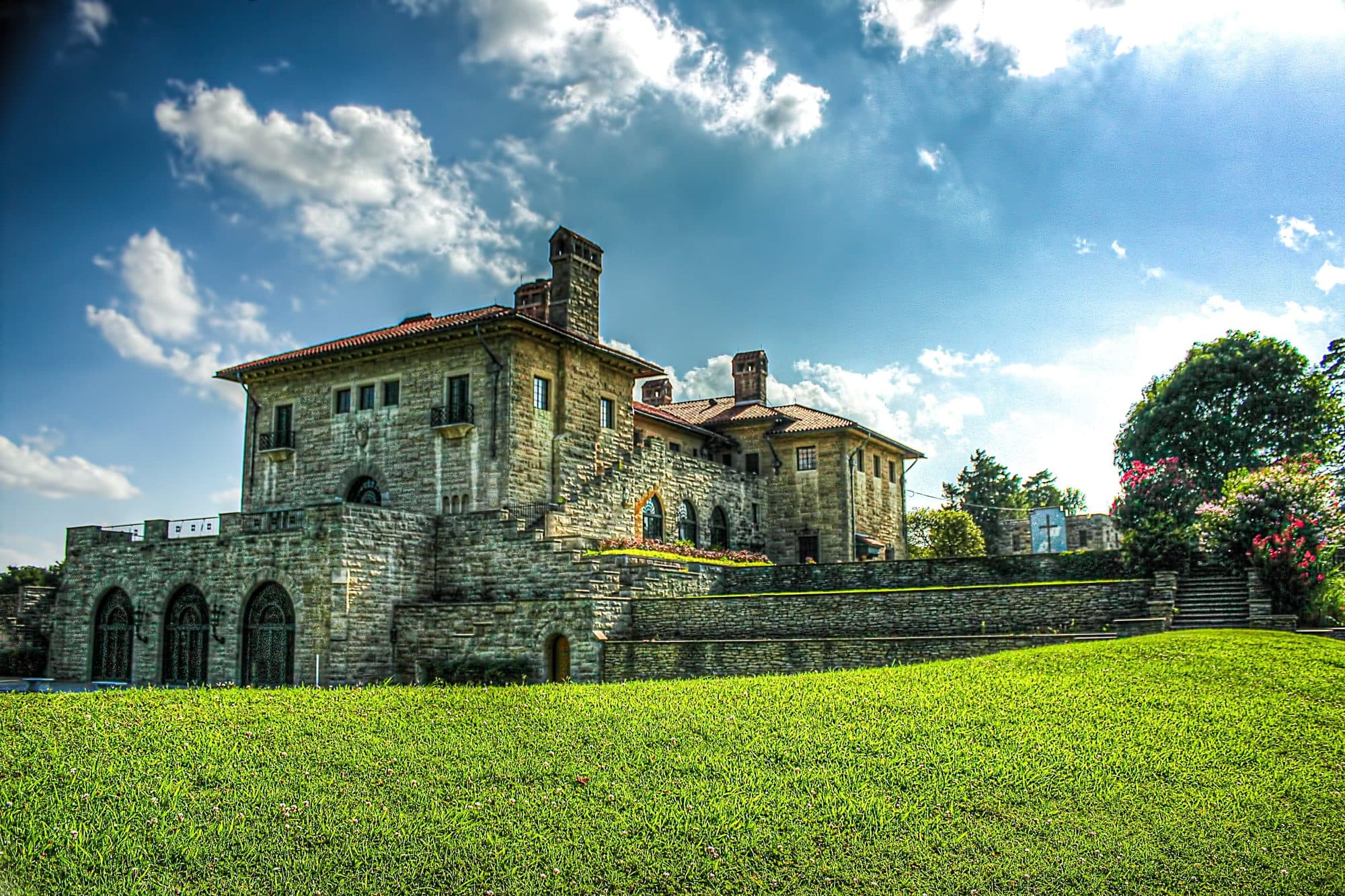
One of the most significant landmarks in Oklahoma's oil history, the Marland Mansion's story is inseparable from the story of the Osage oil rights. E.W. Marland's empire was built largely on the oil that flowed beneath Osage land, and the Mansion stands as a testament to the immense wealth generated during that era. Guided tours provide historical context connecting the oil boom, the Osage Nation, and the events of the Reign of Terror — context that makes the grandeur of the building land very differently than it otherwise would.
E.W. Marland's empire was built largely on the oil that flowed beneath Osage land. The Mansion stands as a testament to the immense wealth generated during that era.
901 Monument Rd, Ponca City
Guided tours year-round
Florentine architecture and gold-leaf ceilings
Oil history and Osage connection
02
02 — Standing Bear Museum
The Legal Fight That Changed Everything
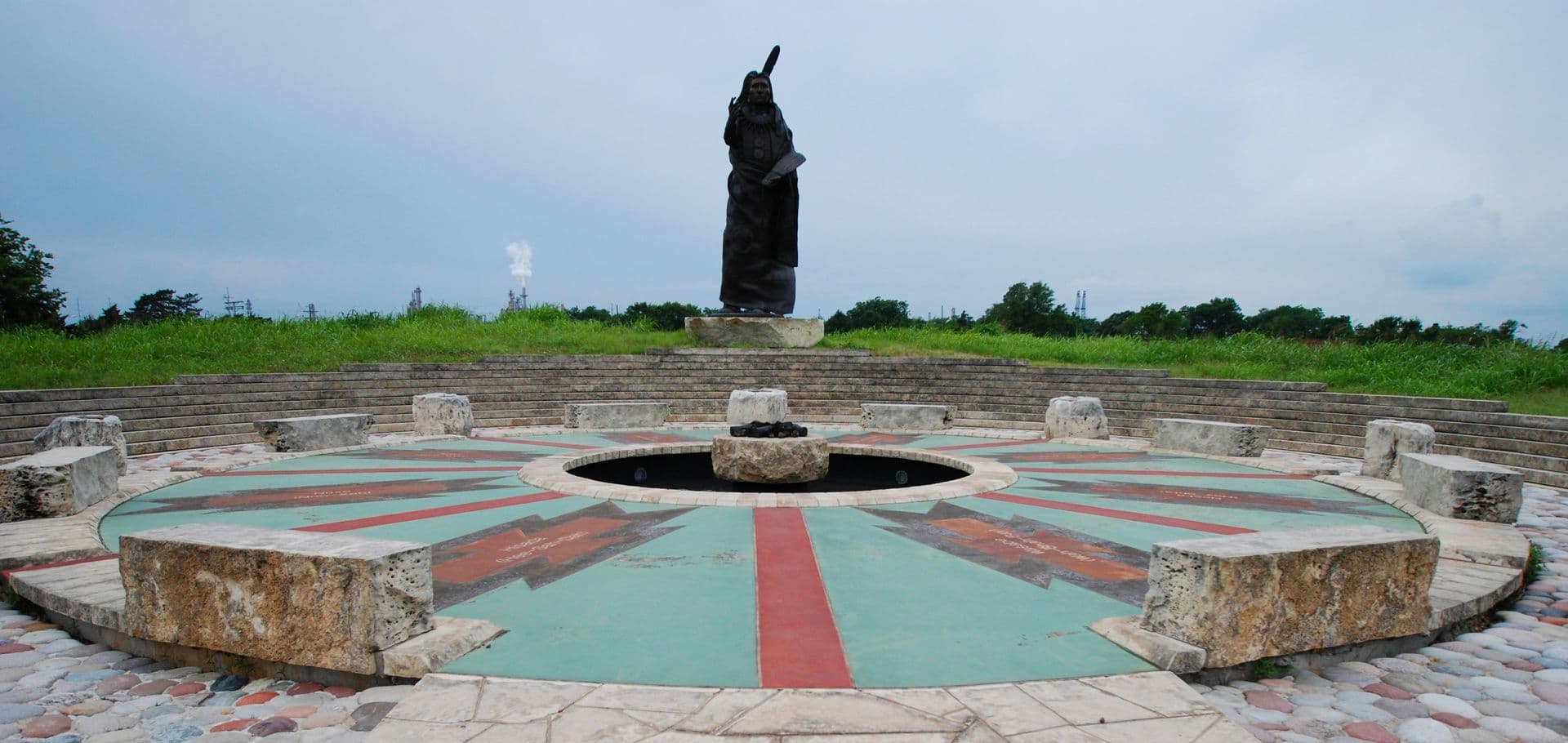
The Standing Bear Museum tells the extraordinary story of Ponca Chief Standing Bear, whose landmark 1879 trial established that Native Americans are "persons within the meaning of the law." While this story predates the Osage Murders, it is foundational to understanding the legal and political vulnerability of Native peoples during the oil boom era — and the federal policies that failed to protect the Osage. Visiting this museum before heading into Osage County gives the history essential depth and dimension.
Chief Standing Bear's 1879 trial established that Native Americans are 'persons within the meaning of the law' — foundational to understanding the vulnerability that followed.
701 Monument Rd, Ponca City
Native American rights and federal policy
1879 landmark legal case
Adjacent to Pioneer Woman Museum

03
03 — Osage Nation Museum
The Definitive Resource
The oldest tribally-governed museum in the United States, established in 1938. The Osage Nation Museum in Pawhuska is the definitive resource for understanding Osage history, culture, and the events documented in Killers of the Flower Moon. Permanent and rotating exhibitions tell the story of the Osage people with depth, dignity, and remarkable archival materials. Begin your Osage County visit here before going anywhere else. Hours: Tuesday through Saturday, 8:30am to 5pm. Admission is free.
The oldest tribally-governed museum in the United States. No other institution tells the Osage story with this depth, dignity, and archival authority.
Pawhuska, Osage County
Tue–Sat, 8:30am–5pm
Free admission
Oldest tribally-governed museum in the US
04
04 — Tallgrass Prairie Preserve
The Land Itself
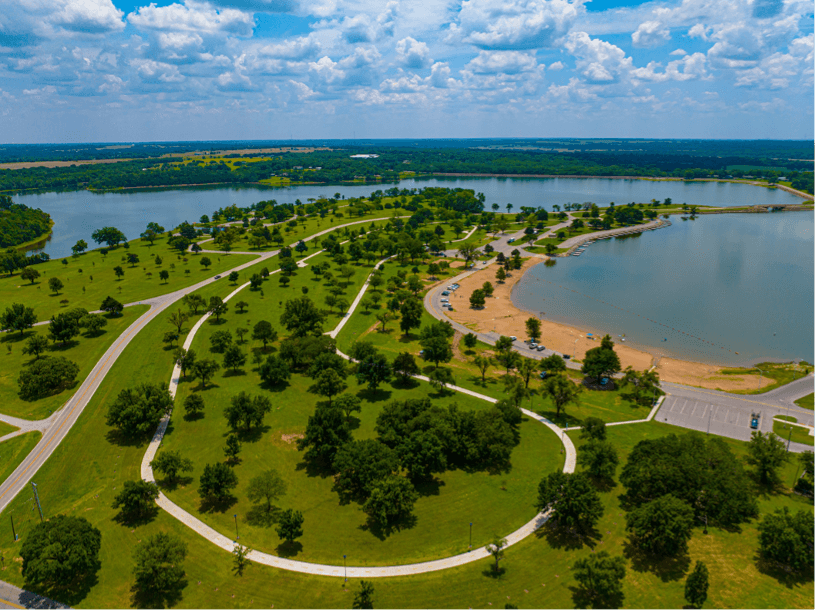
The largest protected tallgrass prairie on earth — nearly 40,000 acres of unbroken native prairie that looks much as it did when the Osage Nation called it home. The roaming bison herd is a breathtaking sight. This landscape is the backdrop to the history you've read about, and visiting it creates an irreplaceable sense of place and perspective. Within the Preserve, the historic cabin of John Joseph Mathews — Osage writer, naturalist, and one of the first Native Americans to attend Oxford University — is available for seasonal tours. His writings illuminate the complexity of Osage life during the oil boom era.
Nearly 40,000 acres of unbroken native prairie that looks much as it did when the Osage Nation called it home — and a roaming bison herd that stops you in your tracks.
Pawhuska, Osage County
Open daily during daylight hours
Free admission (camping fees apply)
John Joseph Mathews Cabin — seasonal tours
05
05 — Fairfax & the Tall Chief Theater
Where the History Happened
Fairfax was the epicenter of many events depicted in Killers of the Flower Moon. The Tall Chief Theater offers guided in-person tours of the town, providing essential context for the murders that occurred here. Named for ballerina Maria Tall Chief — a celebrated Osage daughter — the theater's tours make the history immediate, personal, and unforgettable. This is not a place to rush through. Tours are by appointment at $25 per person. The Osage Nation Visitors Center in Pawhuska is the recommended first stop before making the drive to Fairfax.
Fairfax was the epicenter of many events depicted in Killers of the Flower Moon. Guided tours make the history immediate, personal, and unforgettable.
Fairfax, Osage County
Guided tours by appointment
$25 per person
Named for Maria Tall Chief
06
06 — Visit with Respect
This History Belongs to Real People
The Osage Murders were not simply a historical event — they were crimes against real families whose descendants live in this community today. Approach every site, every conversation, and every purchase with that in mind. Do not visit cemeteries associated with the Osage Murders; these are sacred spaces for the families of victims. Many historical sites are on private land — trespassing is not just illegal, it's disrespectful to landowners and to the history being remembered. Research Osage history and values before visiting. And spend your money at Native-owned businesses, galleries, and restaurants: Big Rain Gallery and Water Bird Gallery in Pawhuska are two of the most meaningful places to do exactly that.
The Osage Nation welcomes thoughtful visitors who come to learn, to reflect, and to support the community's continued flourishing.
Do not visit associated cemeteries
Respect all private property boundaries
Research Osage history before visiting
Support Native-owned businesses
Ready to Visit?
Explore More of the Region
Discover all that Ponca City and north-central Oklahoma have to offer.
More Guides